Our mission
The Land That Gives Water Room to Move
Protected stream corridors slow runoff, filter water, shelter wildlife, and strengthen Houston-region communities.
See our work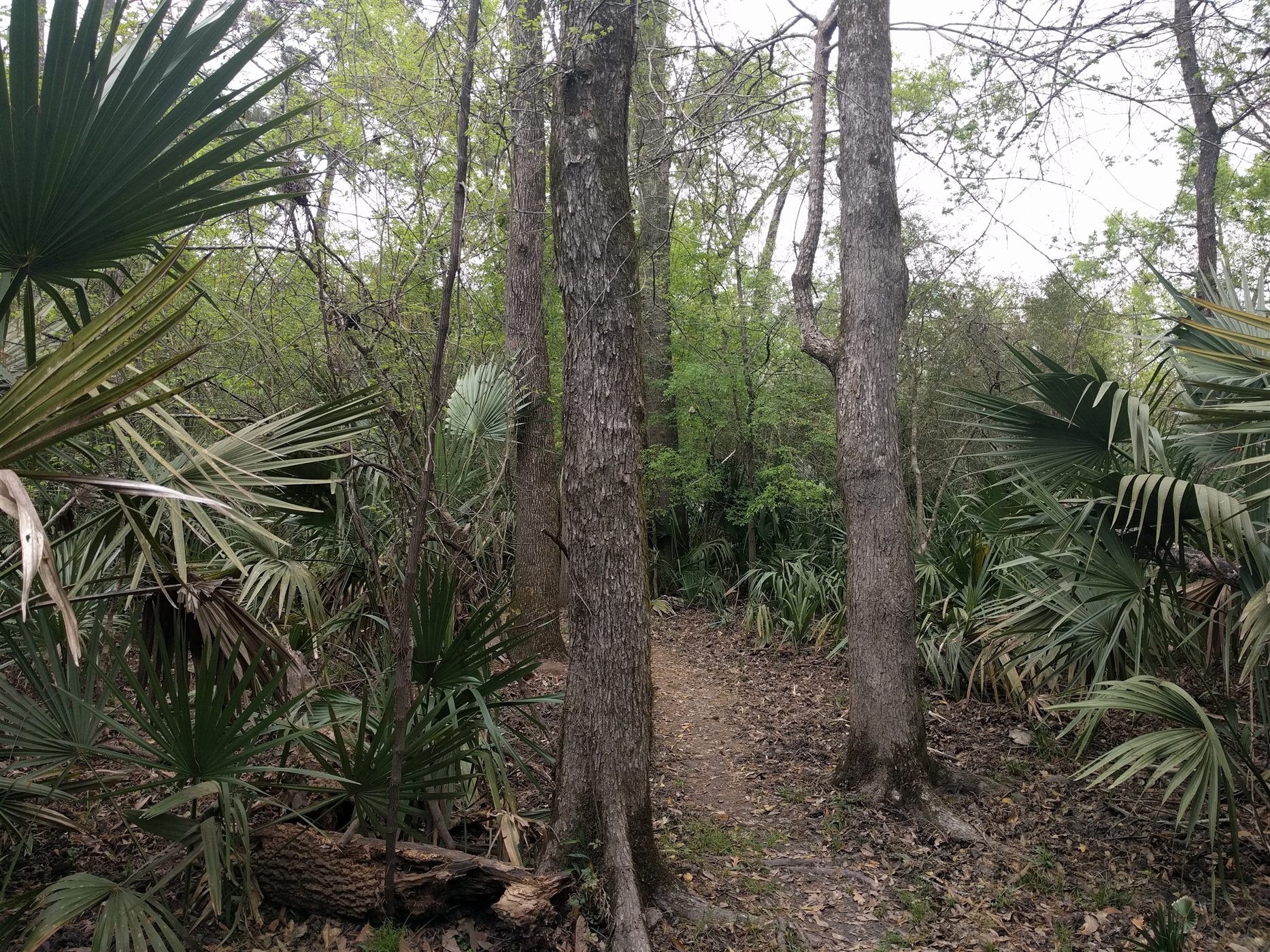
Explore conservation options for your property and keep our watersheds strong.
Explore the process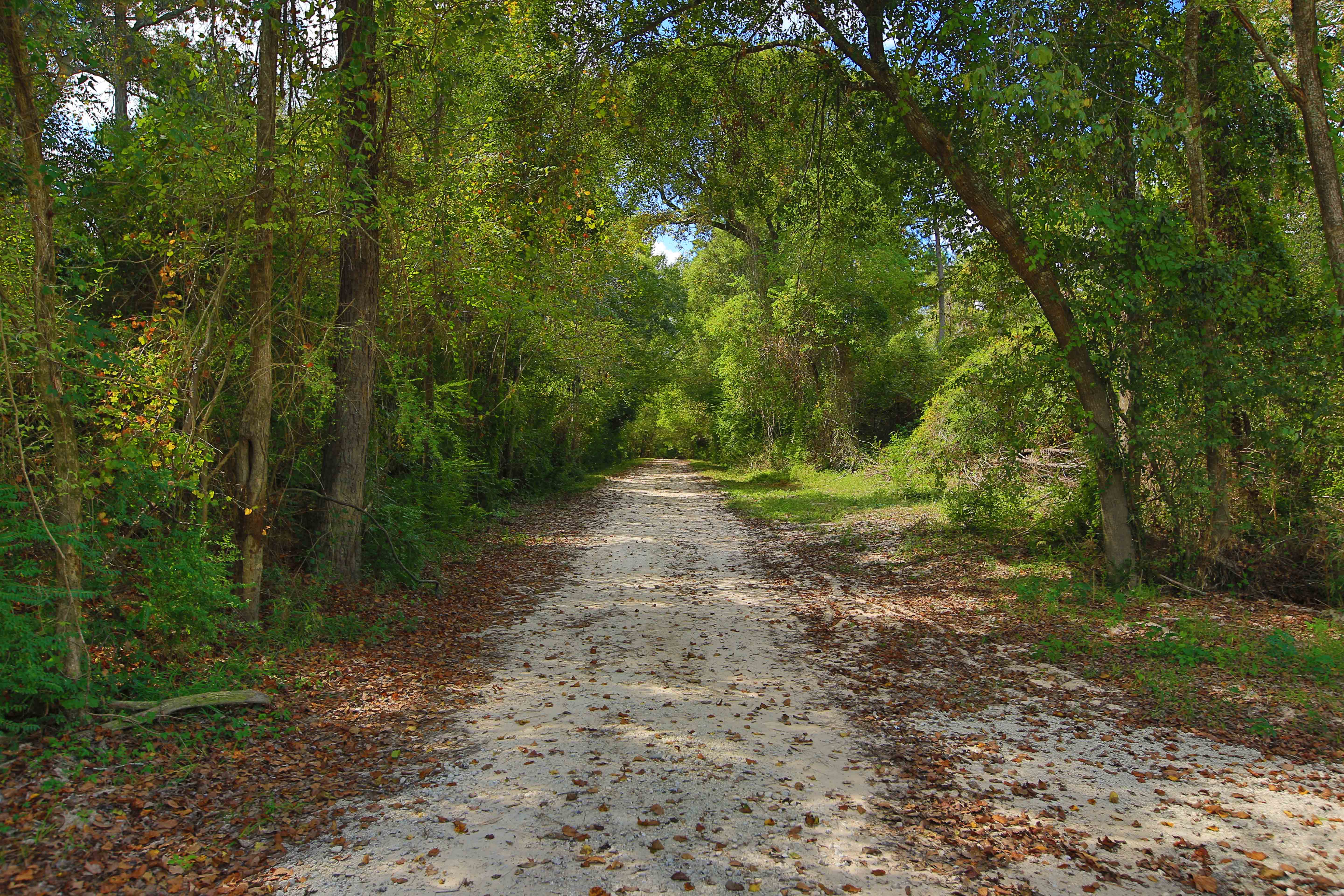
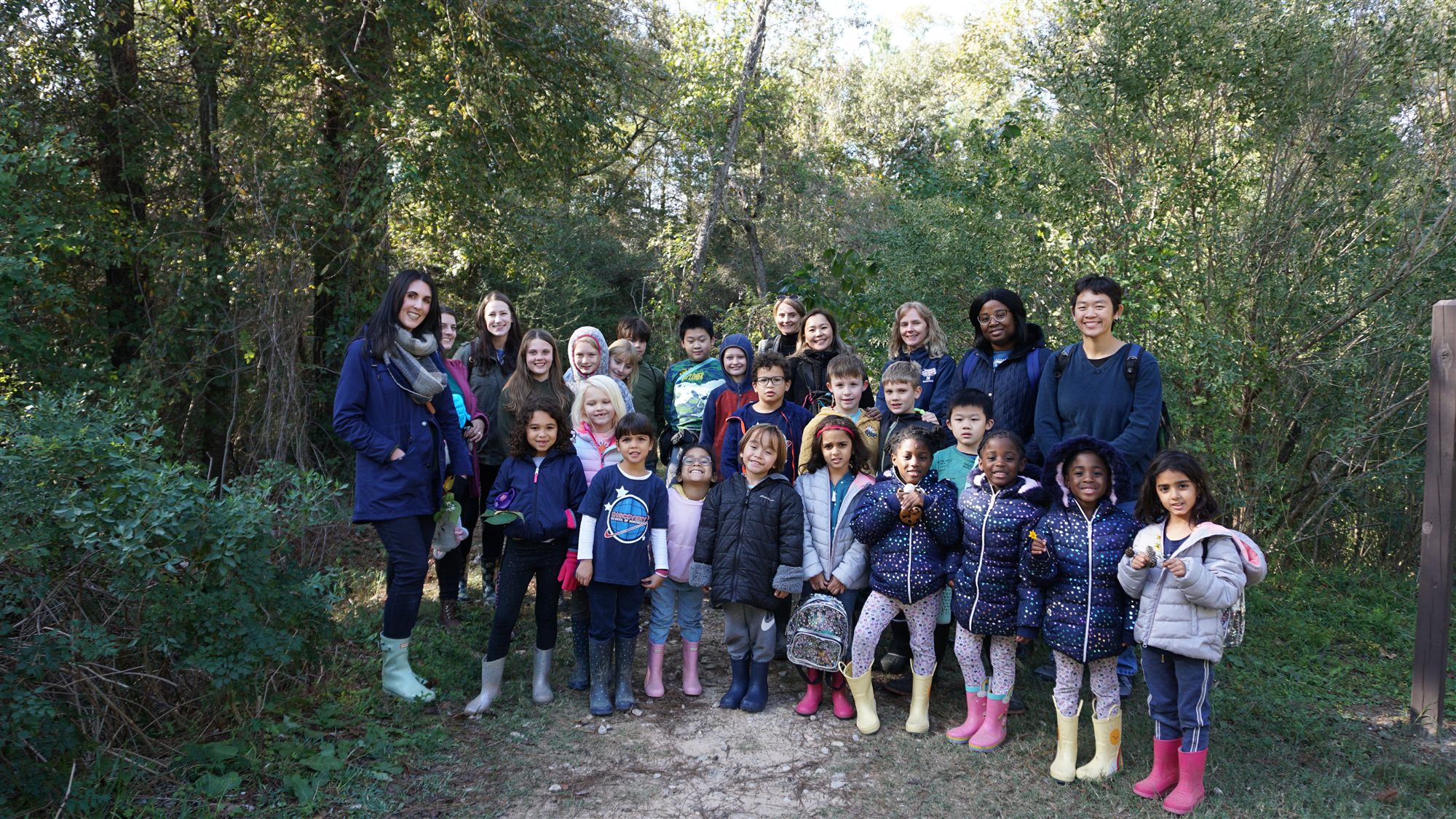
Volunteer, join events, and be part of the work that protects our community.
Find your role
Choose the giving relationship that fits how you want to support the work.
Compare ways to giveWhen we protect land along streams, we help reduce flooding, keep our water clean, support wildlife habitat, and create places for people to connect with nature.
This is how conservation protects what matters most — now and for generations to come.
See how the work connects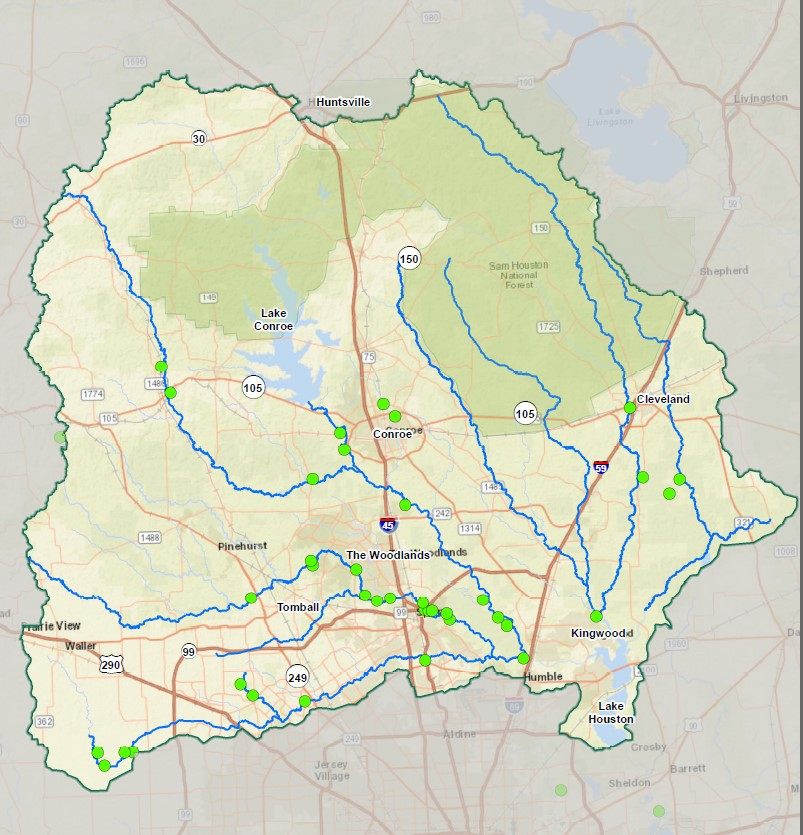
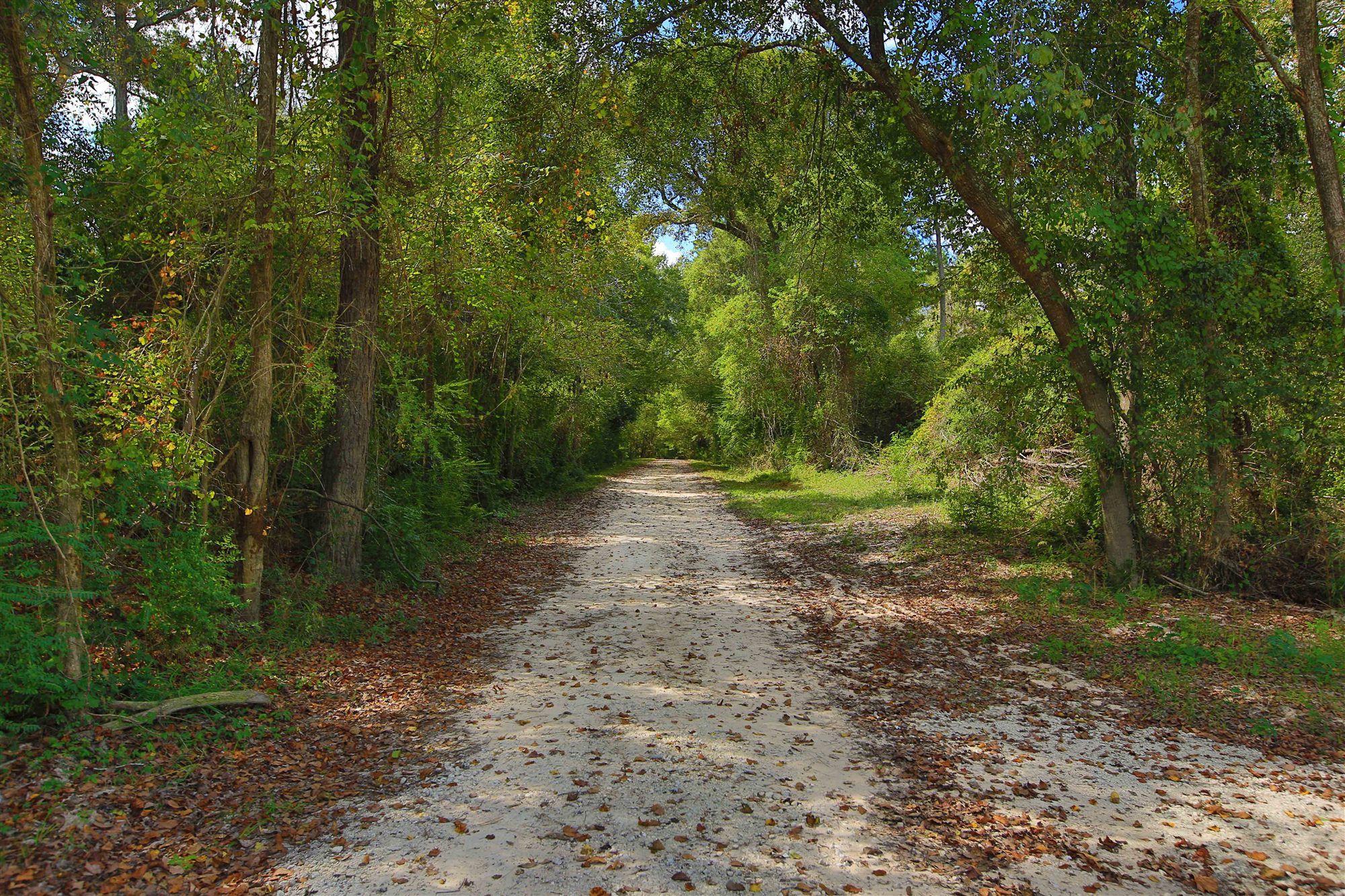
A 14-mile natural-surface path in Tomball, open to hikers, bikers, birders, and other nature lovers.
Explore the trail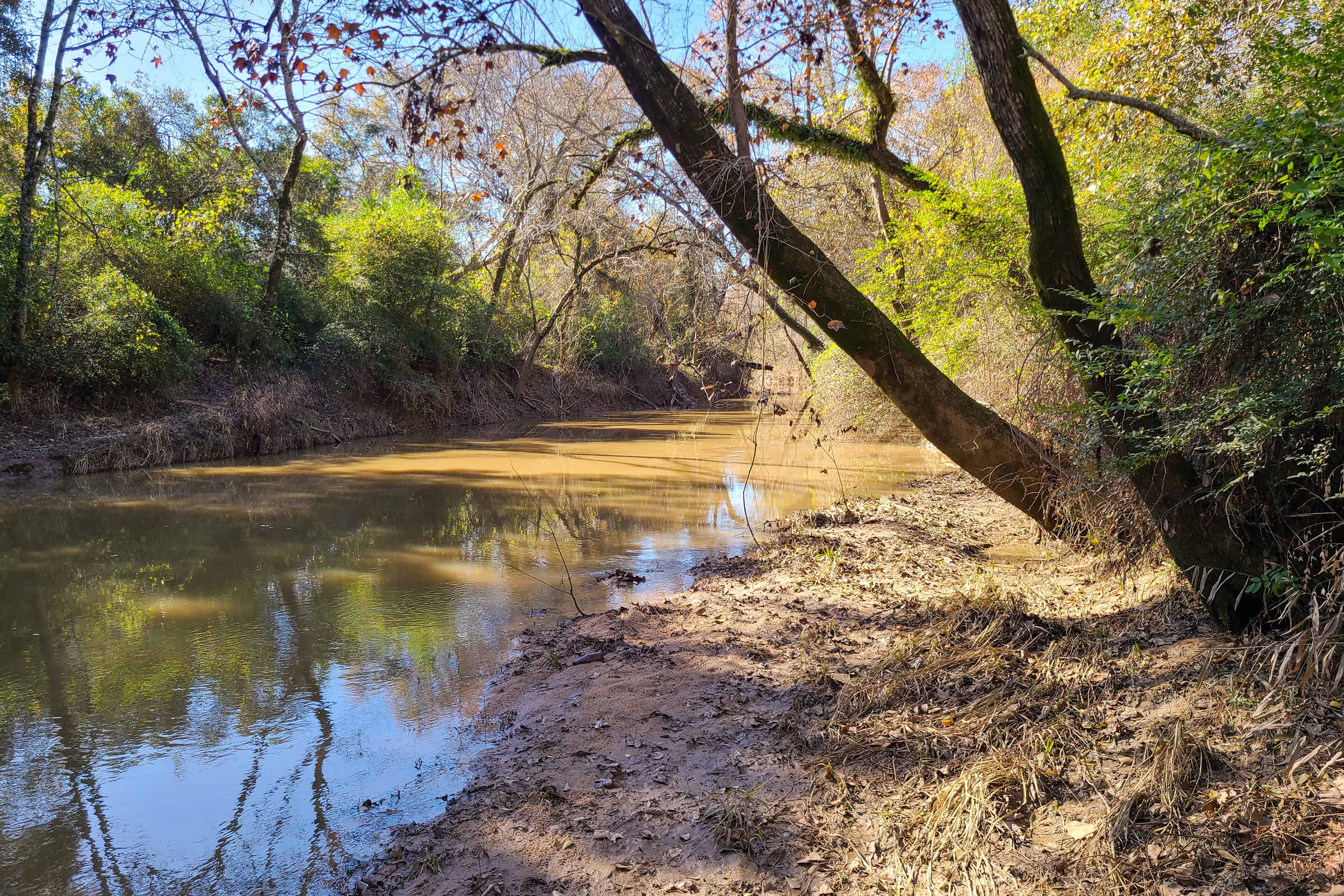
The 117-acre preserve sits across Spring Creek from Lone Star College–Tomball. Restoration, volunteer trailblazing, and an outdoor classroom connect permanent protection with hands-on learning.
General public access is not confirmed. The new place page preserves that caution while bringing the recovered story, photography, and management plan into view.
Explore ArrowwoodChoose the part of the work you want to move forward, from permanent protection to hands-on care and outdoor learning.
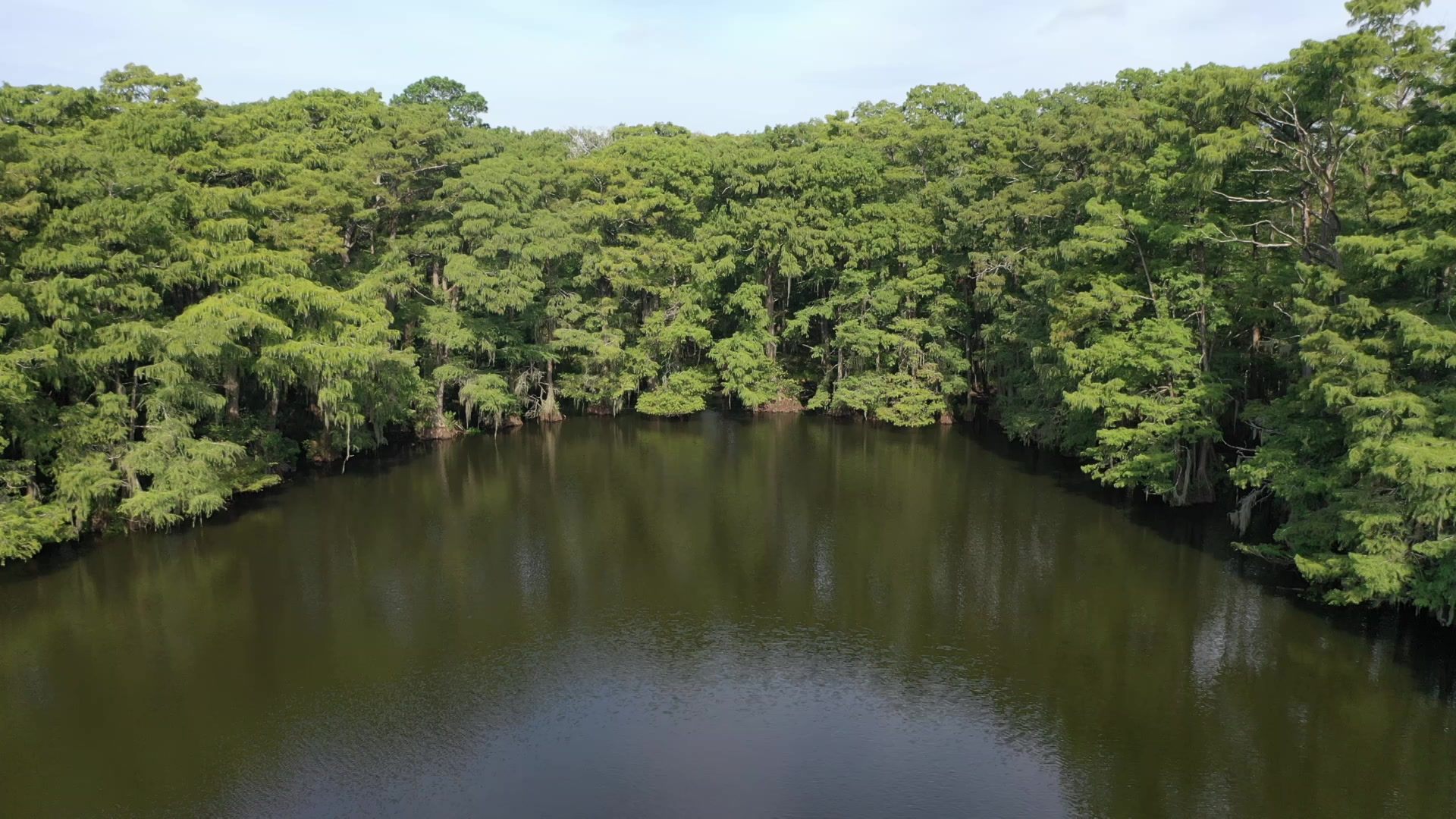
Help acquire and permanently protect land along the streams that feed Lake Houston.
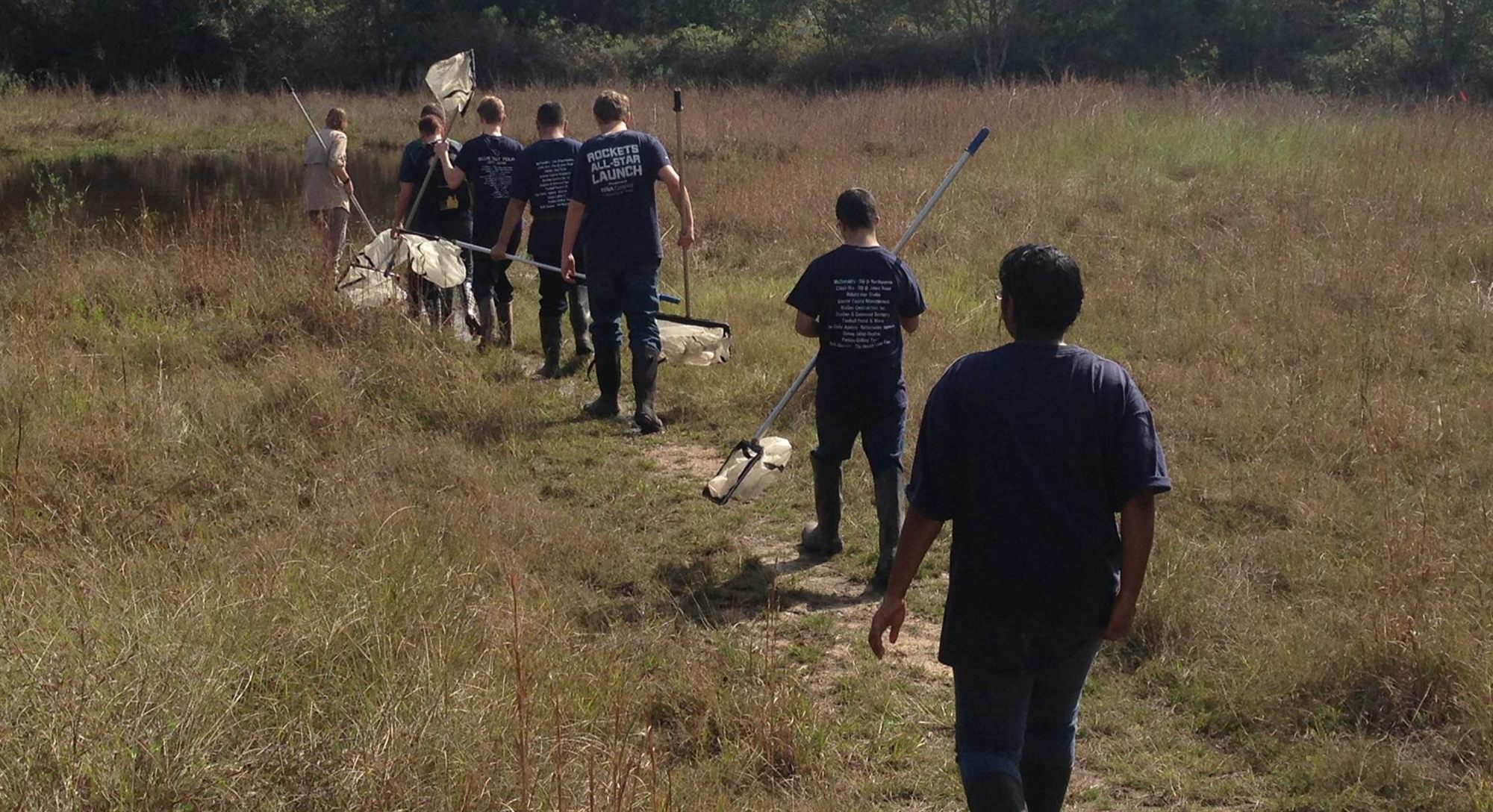
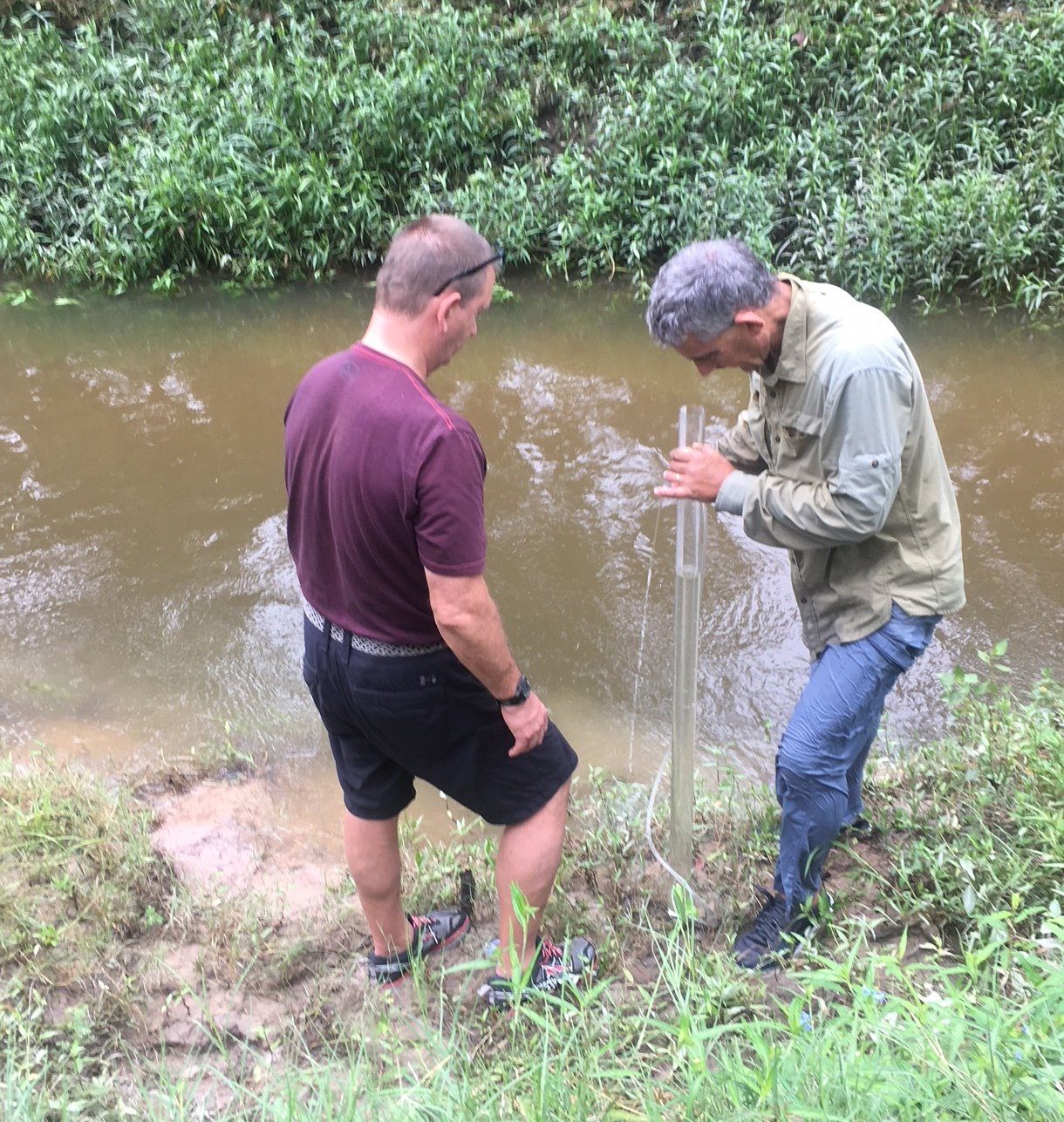
Support restoration, monitoring, and trail work that keep protected land healthy.
Support the legal and survey work that helps a landowner protect their property.
Bring school groups, field trips, and family programs onto the land for hands-on learning.
Put your time, expertise, or team behind the places that protect our region.
Trail crew, stream teams, and restoration planting are practical ways to pitch in.
See opportunities →Welcome visitors, support events, and share these places with your neighbors.
Explore the role →Corporate and community groups can plan a dedicated day on conserved land.
Request information →Educators can bring watershed and habitat learning onto protected land.
Plan a class visit →