Consult
Start with a confidential conversation about your land, your goals, and what matters most to you.
A conservation easement is a voluntary legal agreement that protects your land’s natural values while allowing you to keep enjoying it for generations.
You retain private ownership and everyday use of your land. The conservation easement ensures its most important natural features — such as streams, wetlands, forests, and wildlife habitat — are protected forever.
The easement runs with the land, is recorded with the county, and is enforced by Bayou Land Conservancy to ensure it lasts for future generations.
Questions landowners askA careful process gives both the landowner and the land trust room to understand the property, the goals, and the lasting responsibilities.
Start with a confidential conversation about your land, your goals, and what matters most to you.
Review the property’s natural values and discuss conservation goals that align with your vision.
Craft easement terms together so they protect important conservation values and reflect agreed future uses.
Record the easement and maintain a lasting relationship through regular monitoring and support.
Straightforward context for the questions that usually come before an inquiry.
No. A conservation easement is a voluntary legal agreement. You continue to own the land and can sell or pass it to heirs, subject to the agreed conservation terms.
The agreement is tailored to the land and the landowner’s goals. Permitted uses and future improvements are discussed and written into the easement.
Tax outcomes depend on the property and the landowner’s circumstances. Bayou Land Conservancy can explain the process, but landowners should rely on qualified legal and tax advisers for advice.
The easement is recorded with the land. Bayou Land Conservancy accepts a permanent responsibility to monitor the protected property and uphold the agreement.
Survey, appraisal, legal, documentation, and long-term stewardship costs vary by project. The first conversation is a way to understand fit before making commitments.
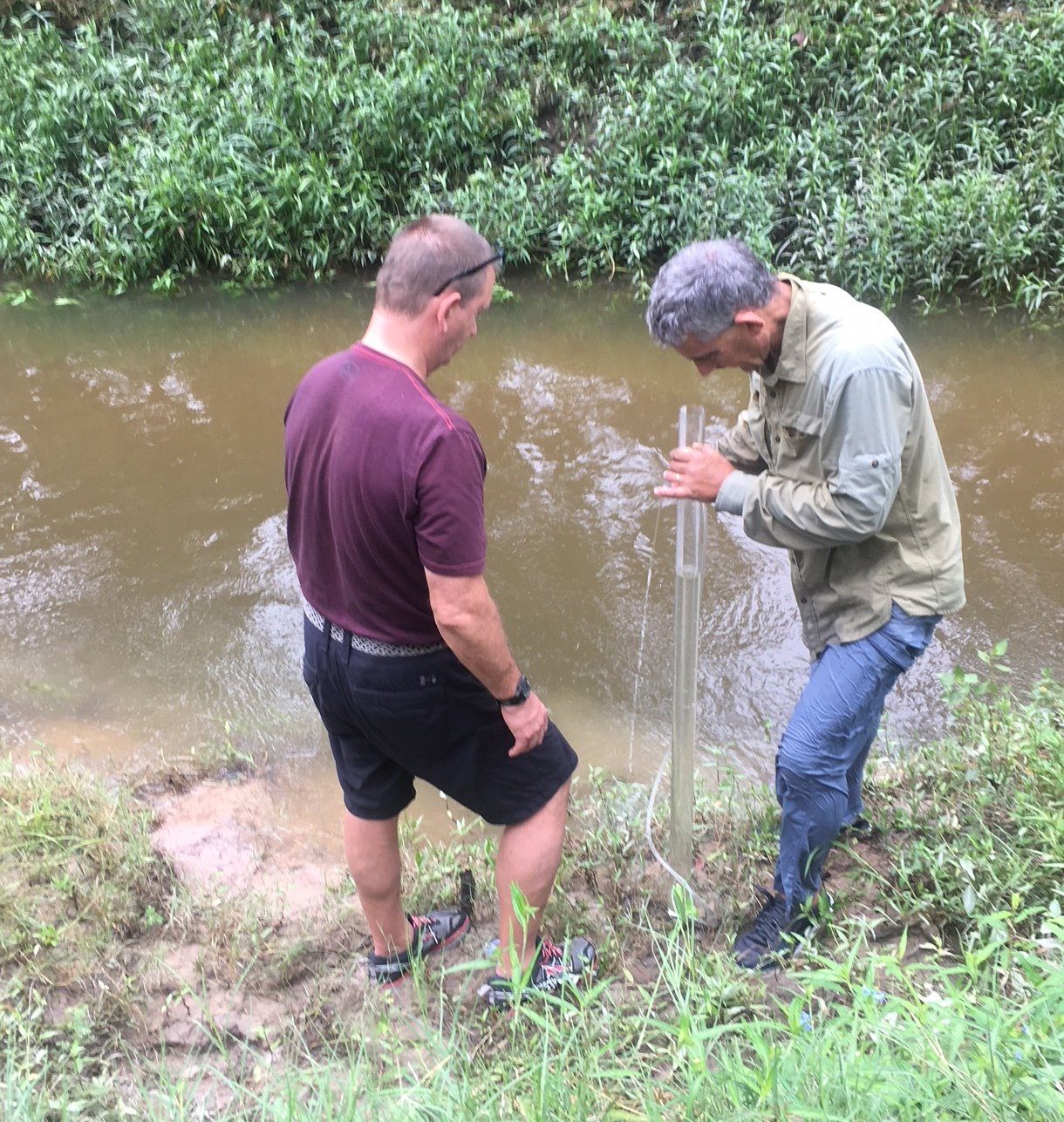
The first conversation is local, responsive, and confidential. It is a chance to explore your options without pressure or obligation.
Start the conversationTell us a little about the property and your goals. We’ll follow up at a time that works for you.
Start a confidential inquiry